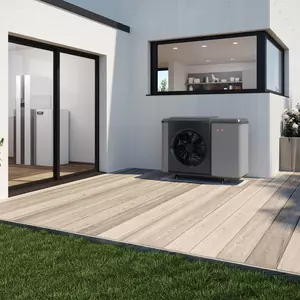
Hybrid system in new apartments
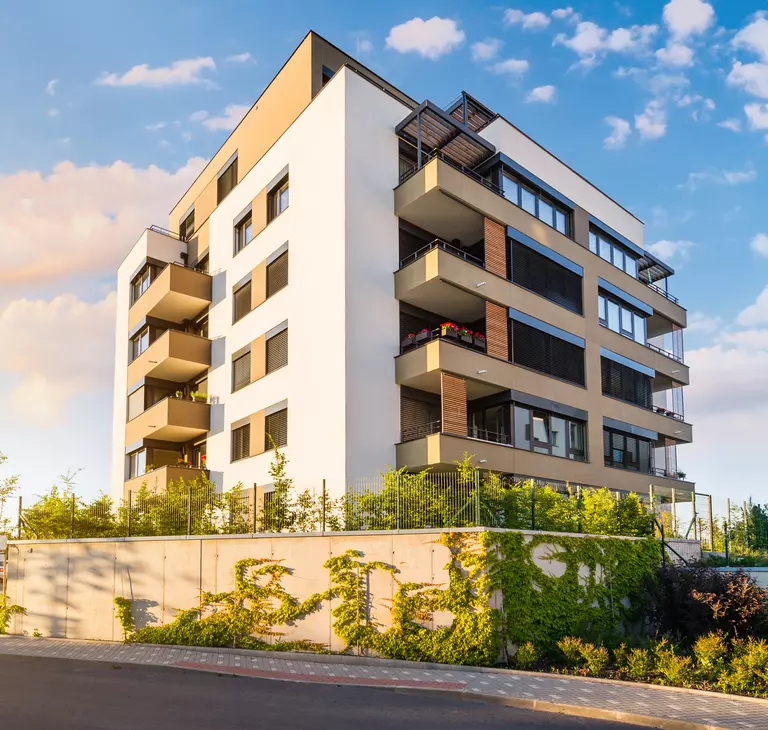
New build apartment house
- The couple would like to build an apartment building with six units. They want to rent out the flats, as the new building will serve as their retirement provision.Learn more
- The heating solution sought must be suitable for the cooler weather common at the location. The devices should fit together well and function reliably throughout.Learn more
Combination of appliances for cooler regions
The developers are a couple planning to build a new apartment block in a highland area. They are looking for a suitable heating system that can cope with the prevailing climatic conditions of the region. Read on to see what systems they choose.
The developers are a couple in their fifties. Their two children have grown up and moved out. The new building will contain six rented flats and is intended to support them in their old age. They anticipate that their building will be popular amongst potential tenants as it is located in a highland area with beautiful landscapes. And they want all of the house and heating technology to run equally smoothly.
The regional climate features relatively low average temperatures, very cold winters and frequently cloudy skies. Therefore, it will not be possible to use renewable energies alone for heating and DHW heating.
However, the couple is obliged to use at least some renewable energy due to legislation concerning new buildings. Therefore, they are considering using a hybrid system in which all of the heat generators are coordinated with one another.
Reasons for choosing this new heating solution
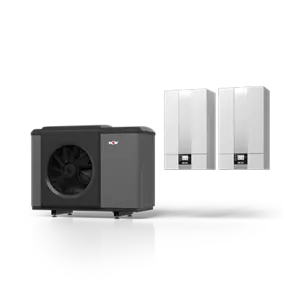
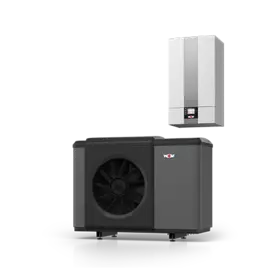
The developers choose a system concept that combines a gas heating system, a heat pump and a ventilation system. The project also considers the integration of a photovoltaic system as part of the overall energy concept.
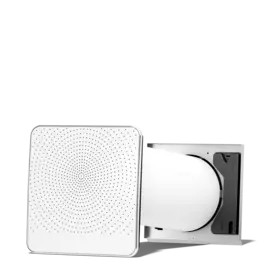
The ventilation system is incorporated into all apartments as part of the building services installation. The selected system configuration combines heating, domestic hot water and ventilation technologies within a common building services concept.

The planned hybrid combination is eligible for subsidy so the developers can even save money on their purchase. Furthermore, the efficient utilisation of fuels cuts the running costs to a minimum, especially as the heat pump covers some of the work and only needs a small amount of electricity to do so.
Support for Your Home Project
Choosing a heating, ventilation or energy system for a home can involve a range of technical and project-related considerations. WOLF provides information and planning resources to support the assessment of different system options and project requirements.

Short checklist for the project
The developers must keep the following points in mind to ensure that everything goes to plan:
The building must meet the KfW standard for energy-efficient buildings to receive a heating technology subsidy. Therefore, it needs good thermal insulation and must be air-tight, amongst other things.
As the outer envelope is almost air-tight, a ventilation system must be employed.
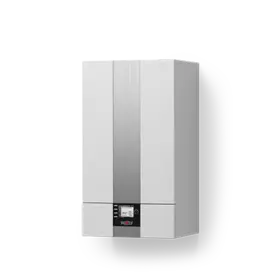
The two heating appliances must be linked by a buffer cylinder.
If the heat pump heating system covers the DHW heating, the boiler can be switched off in the warmer seasons. This reduces the cost of fuel still further.
A good combination for all residential units
The couple have chosen a high-performance and efficient system. The hybrid solution is ideal for heating the planned new apartment block building in the challenging climatic conditions of the highland region whilst keeping costs low.